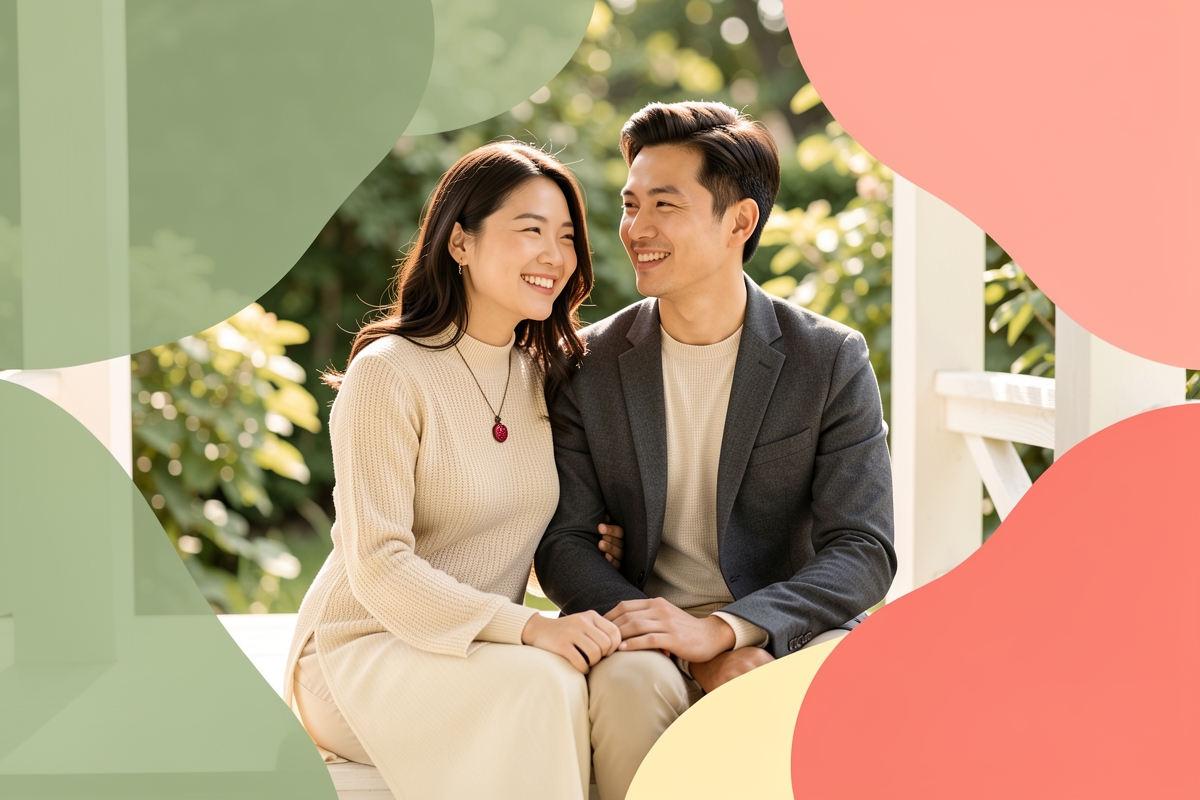
Blending Indian & Chinese Wedding Traditions

As multicultural couples plan their special day, they face the exciting challenge of blending their cultural heritage into a unique celebration. With the rise of destination weddings, the possibilities for combining Indian and Chinese traditions have never been more promising. Couples must consider the cultural significance and family expectations that come with this decision, navigating the complexities of cultural differences to create a harmonious and fulfilling partnership.

Embracing Diversity in Wedding Celebrations
As multicultural couples plan their special day, they often face the exciting challenge of blending their respective cultural heritage into a unique and meaningful celebration. With the rise of destination weddings, as reported by CNBC TV18, now accounting for one in four Indian weddings, the possibilities for combining Indian and Chinese wedding traditions have never been more promising. But what does it mean to merge these two rich cultural identities, and how can couples navigate the expectations of their families and communities?
Understanding the Cultural Significance
Indian and Chinese wedding traditions are steeped in history and symbolism, with each element holding deep cultural significance. From the vibrant colors and intricate decorations of Indian weddings to the auspicious dates and ceremonial rituals of Chinese weddings, every aspect is carefully considered to ensure a harmonious and prosperous union. As couples embark on blending these traditions, they must consider the cultural identity and well-being of their families and communities, as explored in an article on cultural identity and well-being.
Blending Traditions with Sensitivity
So, how can couples blend Indian and Chinese wedding traditions in a way that respects and honors both cultures? One approach is to incorporate elements from each tradition into the wedding ceremony and reception. For example, couples might include a traditional Indian baraat procession, complete with decorated horses and lively music, followed by a Chinese tea ceremony to symbolize unity and respect. By thoughtfully combining these elements, couples can create a unique and meaningful celebration that reflects their shared cultural heritage. For inspiration on combining cultural festivals, consider reading about celebrating cultural festivals in multicultural weddings.
Navigating Family Expectations
As couples plan their multicultural wedding, they must also navigate the expectations of their families and communities. This can be a challenging but ultimately rewarding process, as it allows couples to deepen their understanding of their cultural roots and create a stronger bond with their loved ones. By involving their families in the planning process and seeking their input and guidance, couples can ensure that their wedding celebration is a joyful and inclusive occasion that honors both Indian and Chinese traditions. For tips on creating a harmonious and inclusive wedding menu, explore fusion wedding menus.
Creating a Unique Wedding Celebration
In today's globalized world, couples have the freedom to create a wedding celebration that truly reflects their individuality and cultural heritage. Whether they choose to incorporate traditional Indian and Chinese elements or create entirely new customs, the key is to approach the planning process with sensitivity, respect, and an open mind. By doing so, couples can create a unique and unforgettable wedding celebration that honors their love and commitment to each other, as well as their cultural roots. As you plan your special day, consider building a multilingual wedding site like the ones couples build on lumiwed.com, to share your love story and wedding details with friends and family from diverse cultural backgrounds.
Embracing the Beauty of Cultural Diversity
As we celebrate the beauty of cultural diversity in wedding celebrations, we are reminded that love knows no borders or cultural boundaries. By embracing and honoring our differences, we can create a more inclusive and compassionate world, one wedding at a time. So, what does the future hold for multicultural couples and their wedding celebrations? Only time will tell, but one thing is certain – the possibilities for blending Indian and Chinese wedding traditions are endless, and the resulting celebrations will be truly unforgettable.
Finding Inspiration in Global Wedding Traditions
As couples plan their multicultural wedding, they can draw inspiration from global wedding traditions that reflect the diversity and richness of human experience. From the colorful festivals of India to the elegant ceremonies of China, each culture offers a unique perspective on love, commitment, and community. By exploring these traditions and incorporating elements that resonate with their own cultural heritage, couples can create a wedding celebration that is both deeply personal and universally relatable. For a glimpse into the diverse world of wedding traditions, explore global wedding traditions.
Building a Strong Foundation for a Multicultural Marriage
As couples embark on their multicultural marriage journey, they must build a strong foundation of love, respect, and understanding. This involves navigating the complexities of cultural differences, communicating openly and honestly, and cultivating a deep appreciation for each other's heritage. By doing so, couples can create a harmonious and fulfilling partnership that honors their individuality and celebrates their shared humanity. As you plan your wedding celebration, remember that the true magic lies not in the traditions or customs, but in the love and commitment you share with your partner.
FAQ
How can couples blend Indian and Chinese wedding traditions?
Couples can incorporate elements from each tradition into the wedding ceremony and reception, such as a traditional Indian baraat procession followed by a Chinese tea ceremony.
What are the key considerations when blending Indian and Chinese wedding traditions?
Couples must consider the cultural significance and family expectations that come with this decision, navigating the complexities of cultural differences to create a harmonious and fulfilling partnership.
How can couples ensure their wedding celebration is inclusive and respectful of both cultures?
By involving their families in the planning process, seeking their input and guidance, and approaching the planning process with sensitivity, respect, and an open mind.
Resources