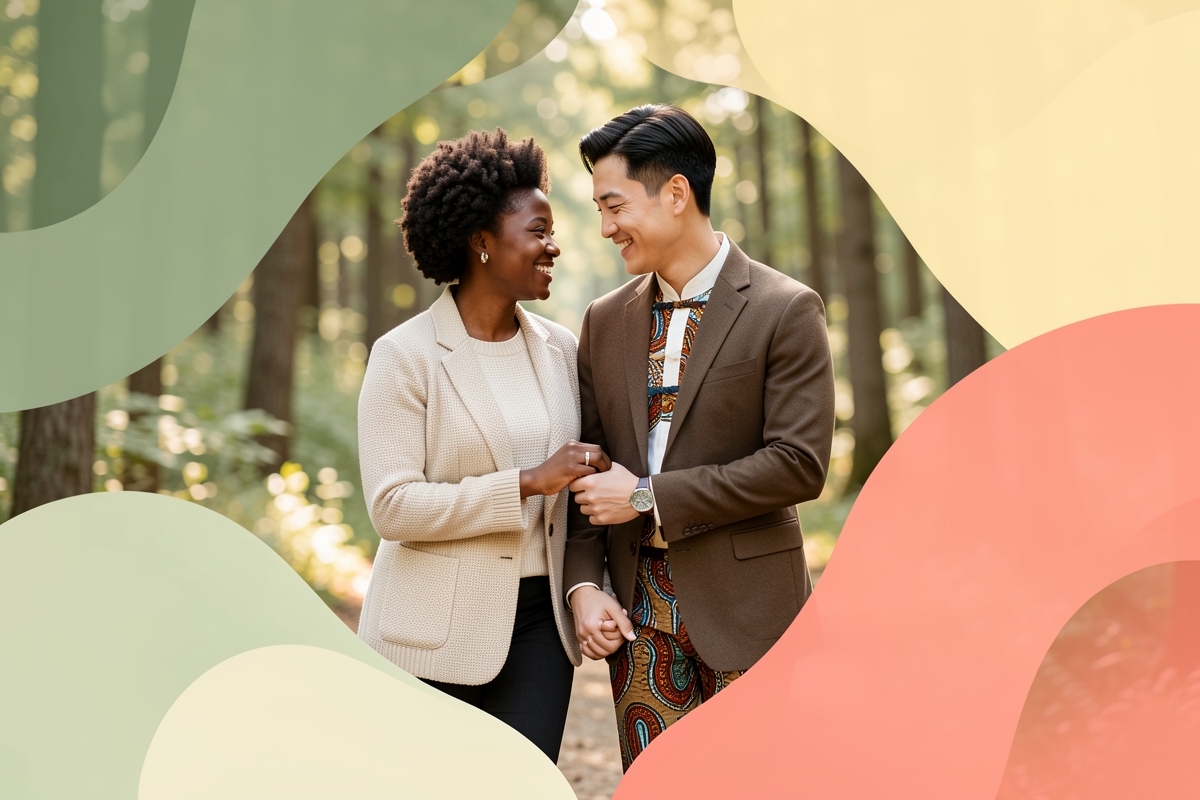
Honoring Cultural Preferences

As you plan your multicultural wedding, it's essential to approach cultural and dietary preferences with sensitivity and creativity. Recent weddings have showcased the beauty of blending traditions and cultures, and with careful planning, you can create a celebration that is respectful and inclusive of all your guests. By incorporating traditional attire, music, and rituals, you can make your wedding a unique and memorable experience.
Introduction to Multicultural Weddings
As you plan your special day, you're likely considering how to honor the cultural and dietary preferences that are meaningful to you and your partner. With the rise of multicultural weddings across different regions, including Asia, North America, and Europe, it's essential to approach this aspect of wedding planning with sensitivity and creativity. Recent weddings, such as the one in San Francisco where the bride wore her mother's 30-year-old bridal sari, or the wedding in Khajuraho that brought together 300 guests from over 10 countries, showcase the beauty of blending traditions and cultures.
Understanding Cultural Preferences
Honoring cultural preferences at your wedding can be as simple as incorporating traditional attire, music, or rituals into the celebration. For example, you might choose to wear traditional clothing, such as a sari or kimono, or include a specific cultural ceremony, like a tea ceremony or a henna night. It's also important to consider the cultural significance of certain customs or practices and to approach them with respect and understanding. By doing so, you can create a wedding that is not only meaningful to you and your partner but also respectful and inclusive of your guests' cultural backgrounds.
Dietary Preferences and Wedding Menus
When it comes to dietary preferences, it's essential to consider the diverse needs and restrictions of your guests. This might include offering vegetarian, vegan, gluten-free, or halal options, as well as labeling dishes with ingredients used. A multilingual wedding site like the ones couples build on lumiwed.com can help you communicate with your guests and ensure that everyone feels included. You can also consider hiring a catering service that specializes in multicultural cuisine or working with a chef who can create customized menus that reflect your cultural heritage.
Incorporating Traditional Food and Drinks
Traditional food and drinks can play a significant role in honoring cultural preferences at your wedding. For example, you might choose to serve traditional dishes, such as sushi, tacos, or curries, or offer specialty drinks, like sake or champagne. You can also consider incorporating food and drink customs, such as a Chinese tea ceremony or an Indian sweets table, into the wedding celebration. By doing so, you can create a unique and memorable experience for your guests and pay homage to your cultural roots.
Respecting Cultural Differences
As you plan your multicultural wedding, it's essential to respect cultural differences and avoid cultural appropriation. This means being mindful of the cultural significance of certain customs or practices and avoiding the use of cultural symbols or imagery as mere decorations. Instead, focus on incorporating meaningful cultural elements that reflect your personal heritage and connection to the culture. You can also consider working with a wedding planner or cultural consultant who can help you navigate cultural differences and ensure that your wedding is respectful and inclusive.
Honoring Cultural and Dietary Preferences in Practice
For practical tips and ideas on honoring cultural and dietary preferences, consider reading our article on for more insights and advice. Additionally, you can look to recent weddings, such as the one in San Diego that highlighted the importance of honoring cultural and dietary preferences, for inspiration and guidance. By approaching your wedding planning with sensitivity, creativity, and respect, you can create a celebration that is truly reflective of your cultural heritage and values.
Creating a Meaningful and Inclusive Wedding Celebration
Ultimately, the key to creating a meaningful and inclusive wedding celebration is to approach the planning process with an open mind and a willingness to learn and adapt. By honoring cultural and dietary preferences, you can create a wedding that is not only beautiful and memorable but also respectful and inclusive of all your guests. Whether you're planning a small, intimate gathering or a large, elaborate celebration, remember that your wedding is a unique opportunity to bring people together and celebrate your love and commitment to each other.
Conclusion and Final Thoughts
As you embark on the journey of planning your multicultural wedding, remember that honoring cultural and dietary preferences is an essential aspect of creating a meaningful and inclusive celebration. By approaching this aspect of wedding planning with sensitivity, creativity, and respect, you can create a wedding that is truly reflective of your cultural heritage and values. With careful planning, attention to detail, and a commitment to honoring cultural differences, you can create a wedding that is not only beautiful and memorable but also respectful and inclusive of all your guests.
FAQ
How can I incorporate traditional attire into my wedding?
You can incorporate traditional attire into your wedding by wearing traditional clothing, such as a sari or kimono, or by including traditional dress codes for your guests.
What are some ways to honor dietary preferences at my wedding?
You can honor dietary preferences by offering vegetarian, vegan, gluten-free, or halal options, and by labeling dishes with ingredients used.
How can I avoid cultural appropriation at my wedding?
You can avoid cultural appropriation by being mindful of the cultural significance of certain customs or practices, and by avoiding the use of cultural symbols or imagery as mere decorations.
Resources