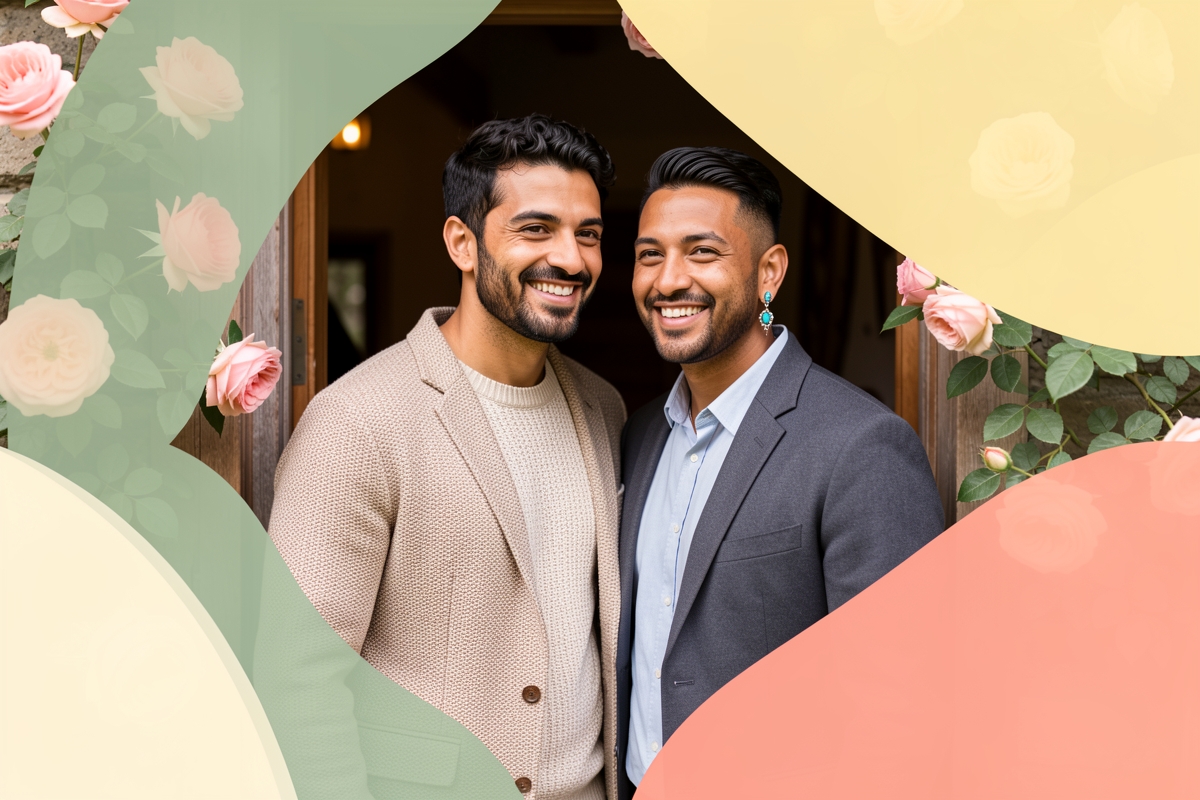
Global Festivals in Multicultural Weddings

As the world becomes increasingly interconnected, multicultural weddings are on the rise, and couples are seeking unique ways to honor their roots. Incorporating global festivals into your wedding can add depth and meaning to your celebration. From the Dragon Boat Festival to Eid al-Adha and the Ivan Kupala Festival, there are countless ways to weave traditional festivities into your wedding planning.
Introduction to Global Festivals in Multicultural Weddings
As you plan your special day, you may be looking for ways to incorporate your cultural heritage into the celebration. With the world becoming increasingly interconnected, multicultural weddings are on the rise, and couples are seeking unique ways to honor their roots. Recent celebrations such as the Dragon Boat Festival in China, Eid al-Adha across the Muslim world, and the Ivan Kupala Festival in Eastern Europe, highlight the diversity of global festivals that can inspire your wedding planning. Whether you're from Asia, Europe, Africa, or North America, there are countless ways to weave traditional festivities into your multicultural wedding.
Understanding the Significance of Cultural Festivals
Cultural festivals are an integral part of many communities around the world, often symbolizing love, prosperity, and new beginnings. For instance, the Dragon Boat Festival, which was recently celebrated in Yichang, China, commemorates the life and death of the famous Chinese poet Qu Yuan, and is a time for families and friends to come together. Similarly, Eid al-Adha, celebrated by Muslims worldwide, is a festival of sacrifice and generosity, where families often come together to share meals and exchange gifts. By incorporating elements of these festivals into your wedding, you can add depth and meaning to your celebration.
Incorporating Global Festivals into Your Wedding
Incorporating global festivals into your wedding can be as simple as serving traditional foods, decorating with symbolic colors and motifs, or even hosting a cultural performance. For example, you could serve traditional Chinese dragon boat festival foods, such as zongzi and tea, or decorate your wedding venue with lanterns and fans. If you're planning a Muslim wedding, you could incorporate elements of Eid al-Adha, such as a sacrifice ceremony or a traditional Eid feast. A multilingual wedding site like the ones couples build on lumiwed.com can also help you share your cultural heritage with your guests.
Choosing the Right Festival to Incorporate
With so many festivals to choose from, it can be overwhelming to decide which one to incorporate into your wedding. Consider your cultural backgrounds, personal interests, and the time of year you're getting married. If you're getting married in the summer, you could incorporate elements of the Ivan Kupala Festival, which is celebrated in Eastern Europe and involves water rituals and flower crowns. If you're getting married in the fall, you could incorporate elements of the Chinese Mid-Autumn Festival, which involves lanterns, mooncakes, and family gatherings.
Making Your Wedding a Reflection of Your Heritage
Your wedding should be a reflection of your unique cultural heritage and personal style. Don't be afraid to get creative and incorporate elements that are meaningful to you and your partner. You could also consider hosting a cultural wedding ceremony, such as a traditional African or Indian ceremony, or incorporating cultural rituals, such as a tea ceremony or a henna night. For more ideas on how to incorporate global festivals into your wedding, check out our article on global festivals in multicultural weddings.
Overcoming Cultural and Logistical Challenges
Incorporating global festivals into your wedding can also come with its own set of challenges, from cultural differences to logistical hurdles. It's essential to communicate with your partner, families, and wedding vendors to ensure that everyone is on the same page. You may also need to consider factors such as language barriers, cultural sensitivities, and dietary restrictions. With careful planning and open communication, you can overcome these challenges and create a wedding celebration that truly reflects your cultural heritage.
Creating a Unique and Memorable Wedding Experience
By incorporating global festivals into your wedding, you can create a unique and memorable experience for yourself and your guests. Whether you're hosting a small intimate gathering or a large cultural celebration, your wedding should be a reflection of your love, commitment, and cultural heritage. With careful planning and attention to detail, you can create a wedding celebration that is truly unforgettable. So don't be afraid to think outside the box and incorporate elements of global festivals into your wedding – your guests will appreciate the extra effort, and you'll create a truly special and memorable day.
Conclusion
Incorporating global festivals into your multicultural wedding is a great way to honor your cultural heritage and create a unique and memorable celebration. From the Dragon Boat Festival to Eid al-Adha and the Ivan Kupala Festival, there are countless ways to weave traditional festivities into your wedding planning. With careful planning, open communication, and a willingness to think outside the box, you can create a wedding celebration that truly reflects your love, commitment, and cultural heritage.
FAQ
How can I incorporate global festivals into my wedding?
You can incorporate global festivals into your wedding by serving traditional foods, decorating with symbolic colors and motifs, or hosting a cultural performance.
What are some popular global festivals that I can incorporate into my wedding?
Some popular global festivals that you can incorporate into your wedding include the Dragon Boat Festival, Eid al-Adha, and the Ivan Kupala Festival.
How can I overcome cultural and logistical challenges when incorporating global festivals into my wedding?
You can overcome cultural and logistical challenges by communicating with your partner, families, and wedding vendors, and considering factors such as language barriers, cultural sensitivities, and dietary restrictions.
Resources